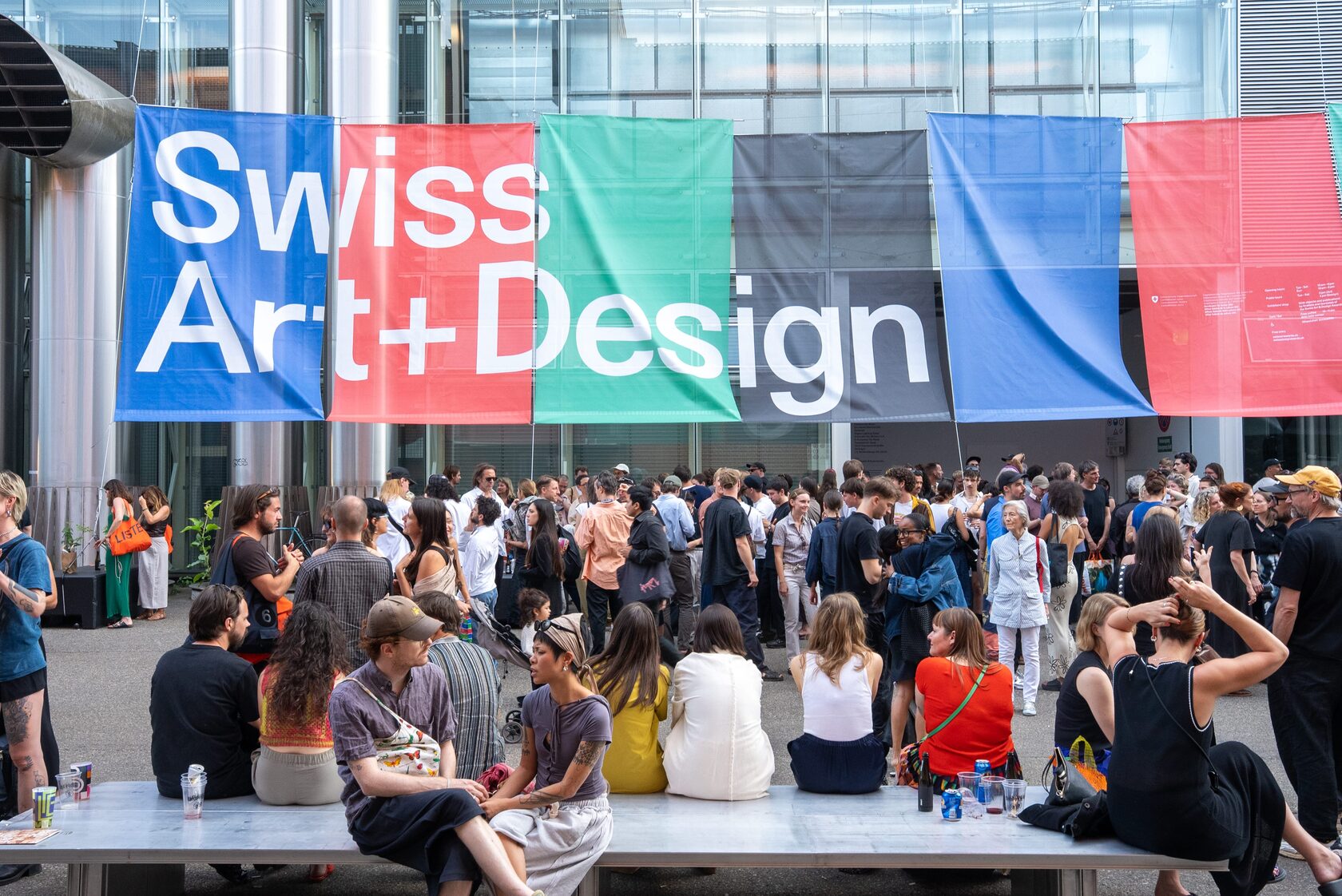
During Art Basel week, the Swiss Art Awards exhibition presented works by finalists of the art world's longest-running competition.
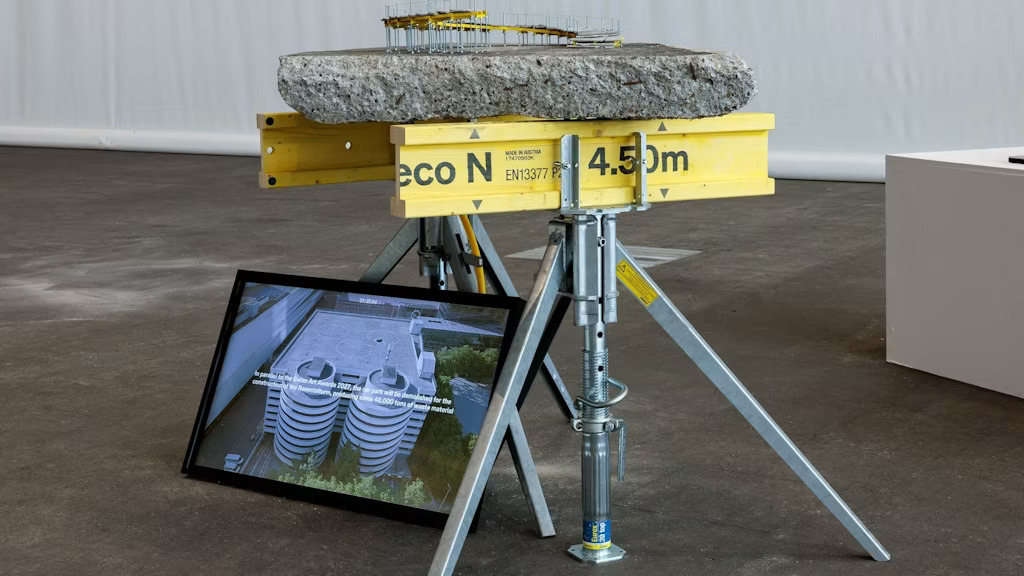
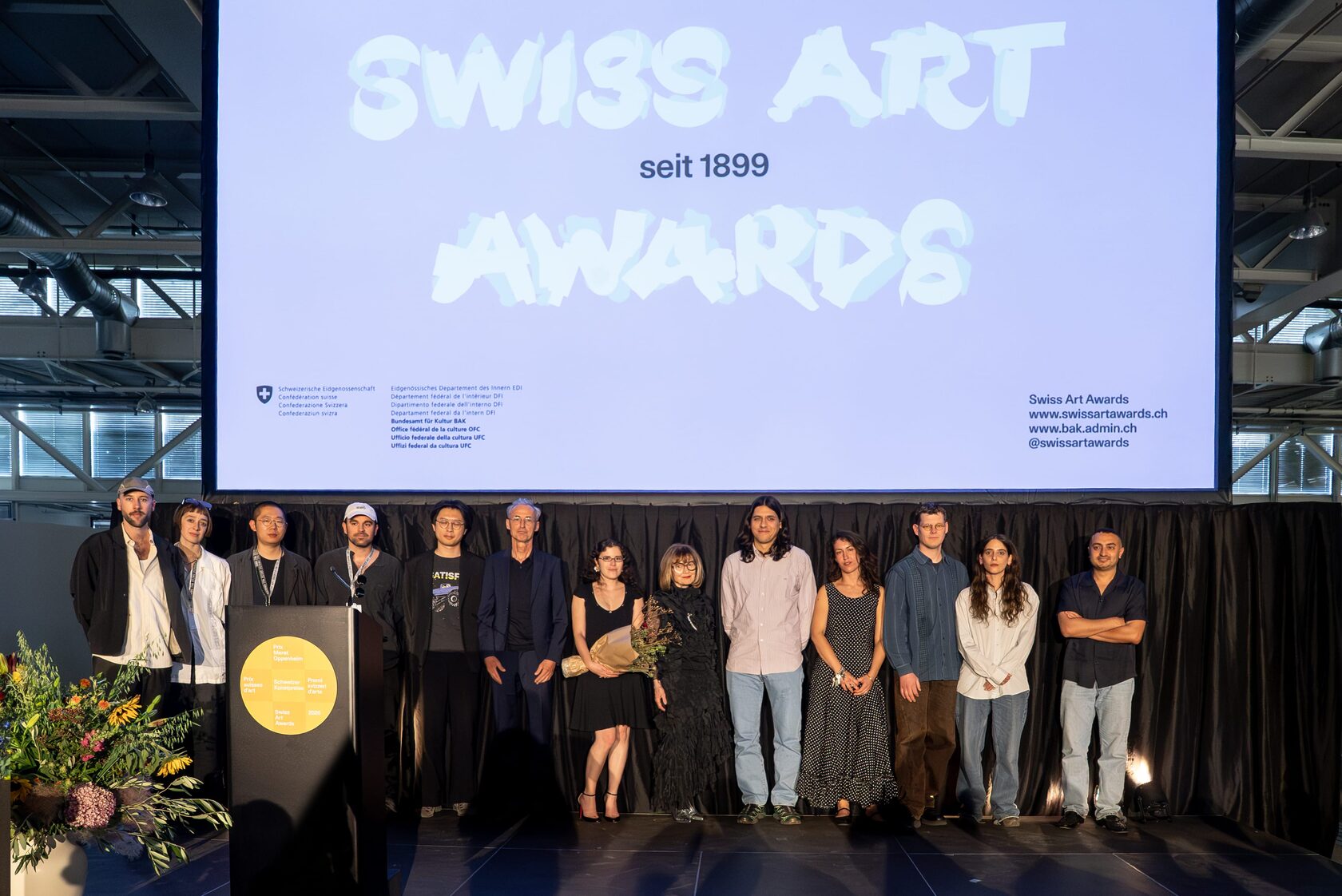
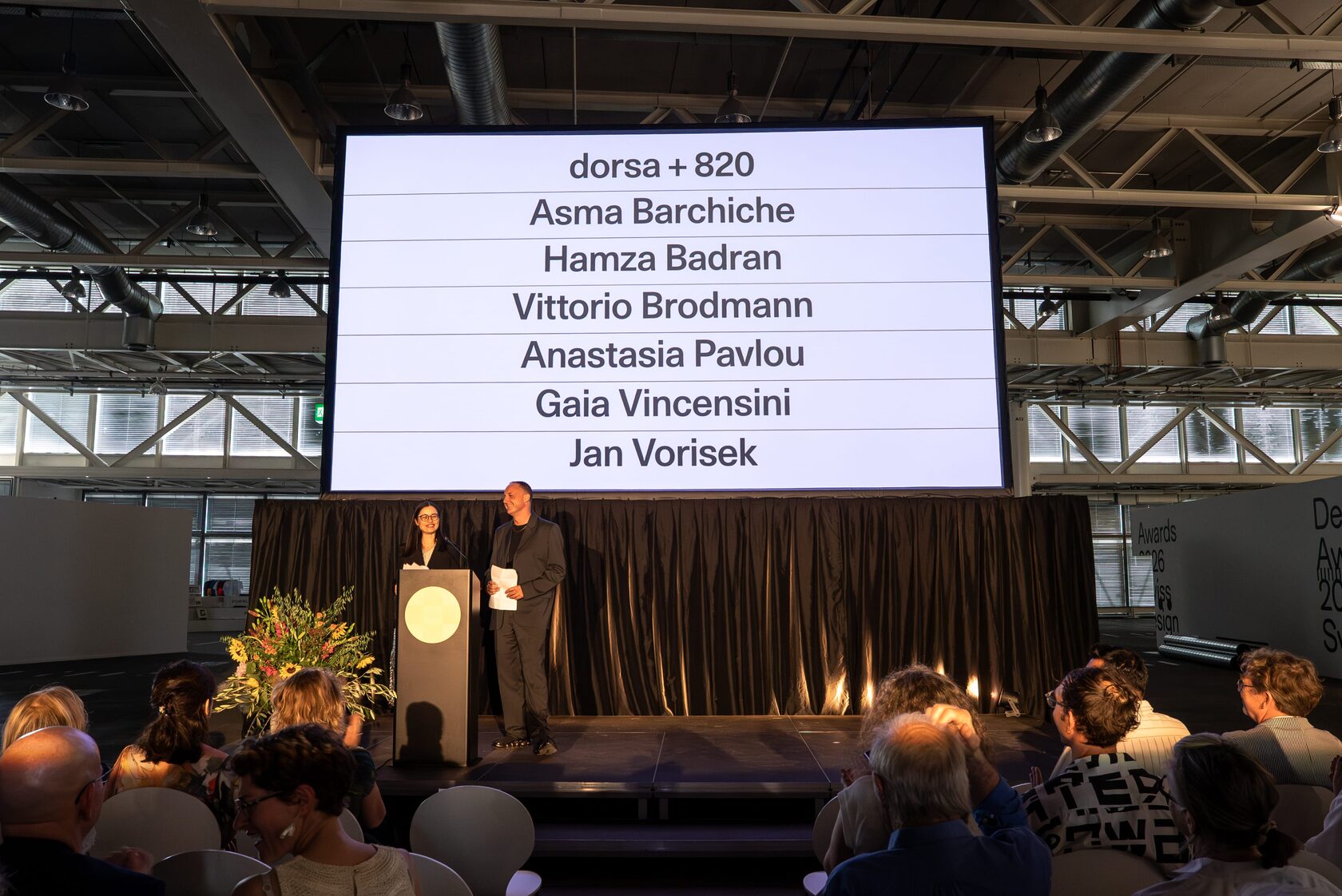
The history of the award dates back to 1899, when the first grants were introduced to support emerging artists and contribute to the development of Swiss art. Today, the Swiss Art Awards present seven prizes annually across three categories: Art, Architecture, and CPE (Critique, Publishing, and Exhibition). The 2026 laureates were announced on June 15, ahead of the exhibition opening at the Messe Basel. In the Art category, the five awards were presented to Hamza Badran, Vittorio Brodmann, Anastasia Pavlou, Gaia Vincensini, and Jan Vorisek. The Architecture Prize recognized the work of dorsa + 820, while the CPE Prize acknowledged Asma Barchiche’s contribution to Switzerland’s cultural institutions.
Beyond the main competition, the Swiss Grand Award for Art / Prix Meret Oppenheim honors figures whose work has left a lasting mark on contemporary Swiss art and architecture. The prize’s emphasis on supporting established practitioners echoes the story of Meret Oppenheim herself: after an eighteen-year break from artistic practice, the Swiss Surrealist returned to her work at the age of forty-one, beginning a new chapter in her career.
Among this year’s laureates was Fabrice Gygi, who represented Switzerland at the Venice Biennale in 2009. Starting with installations and sculpture, Gygi built his practice around the mechanisms of power and control. His recent paintings, abstract and geometric, are often read as a formal continuation of his topical concerns.
Among this year’s laureates was Fabrice Gygi, who represented Switzerland at the Venice Biennale in 2009. Starting with installations and sculpture, Gygi built his practice around the mechanisms of power and control. His recent paintings, abstract and geometric, are often read as a formal continuation of his topical concerns.
The Architecture Prize went to Tilla Theus, whose projects are characterized by a careful dialogue with the memory of a place and the social dimensions of space. This philosophy shaped the creation of the Grünhalde retirement home in Zurich and informed her later restoration of Leuenhof on Bahnhofstrasse. However, Theus is perhaps best known internationally for her design of the FIFA headquarters in Zurich.
Another recipient, curator Hilar Stadler, has led the Museum im Bellpark in Kriens since 1996. Under his direction, the institution has developed a distinctive programme that puts local history in conversation with international art and photography. Past exhibitions have explored subjects as diverse as Swiss moped culture, the architecture of Las Vegas, and the construction of Switzerland’s motorway network.
Another recipient, curator Hilar Stadler, has led the Museum im Bellpark in Kriens since 1996. Under his direction, the institution has developed a distinctive programme that puts local history in conversation with international art and photography. Past exhibitions have explored subjects as diverse as Swiss moped culture, the architecture of Las Vegas, and the construction of Switzerland’s motorway network.
The prizes are financed by the Federal Office of Culture, which grants CHF 25,000 to each Swiss Art Awards winner and CHF 40,000 to recipients of the Grand Award. This year's jury was chaired by artists Mai-Thu Perret and Tobias Kaspar, both former laureates themselves, with Mohamed Almusibli, director of Kunsthalle Basel, among its members.
Contributor: Iuliia Egorova
Cover: Swiss Art Awards 2026 © Photo: BAK, Irem Güngez