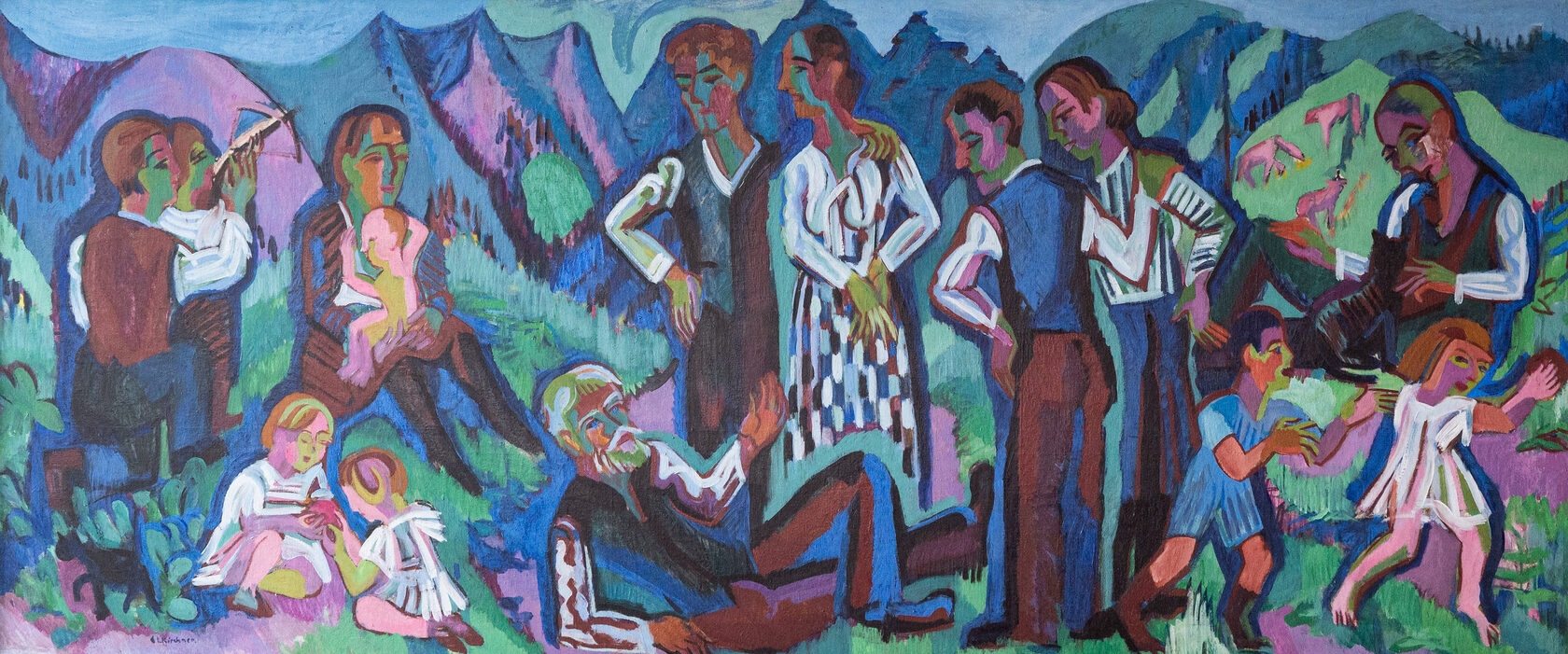
Kirchner x Kirchner, the new exhibition at the Kunstmuseum Bern, which will run until 11 January 2026, features some 65 works by Ernst Ludwig Kirchner (1880–1938), a German expressionist painter and printmaker.
Widely known as one of the founders of the artistic group Die Bruecke (The Bridge), Kirchner made a pioneering attempt at that time to curate his own major exhibition in 1933. Not being able to freely make art under the conditions of war, Ernst Kirchner fled to Switzerland in 1917, where he got to know the then head of the Kunsthalle Bern, Max Huggler, and ended up curating his own retrospective.
Widely known as one of the founders of the artistic group Die Bruecke (The Bridge), Kirchner made a pioneering attempt at that time to curate his own major exhibition in 1933. Not being able to freely make art under the conditions of war, Ernst Kirchner fled to Switzerland in 1917, where he got to know the then head of the Kunsthalle Bern, Max Huggler, and ended up curating his own retrospective.
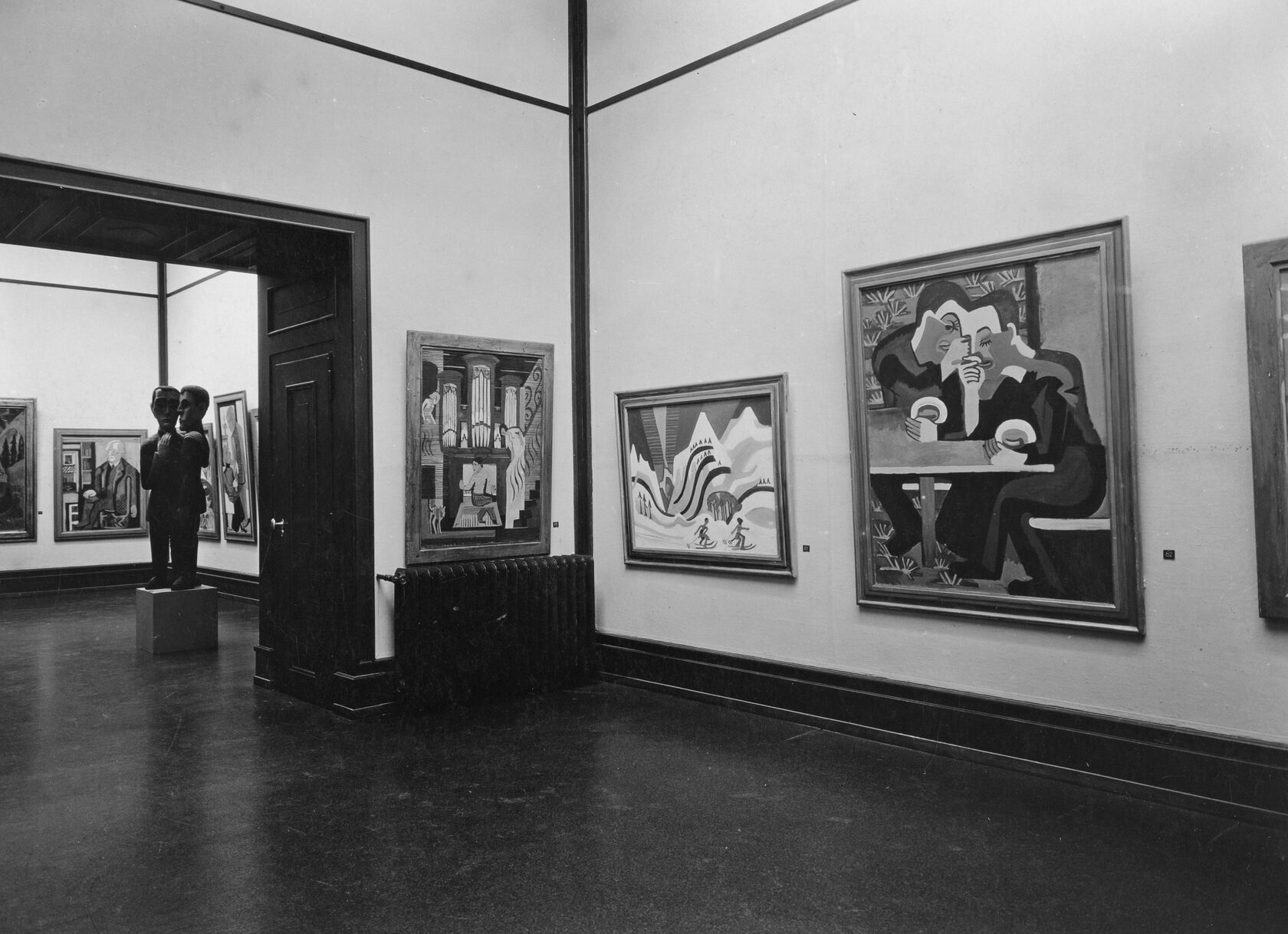
Back in 1933, Ernst Kirchner wrote to Max Huggler that hanging artworks in terms of colour was just as challenging to him as composing a painting. Kirchner also expressed confidence that the inclusion of loans from public and private collections would “look better”, though the painter was perfectly capable of making a display entirely of his own works.
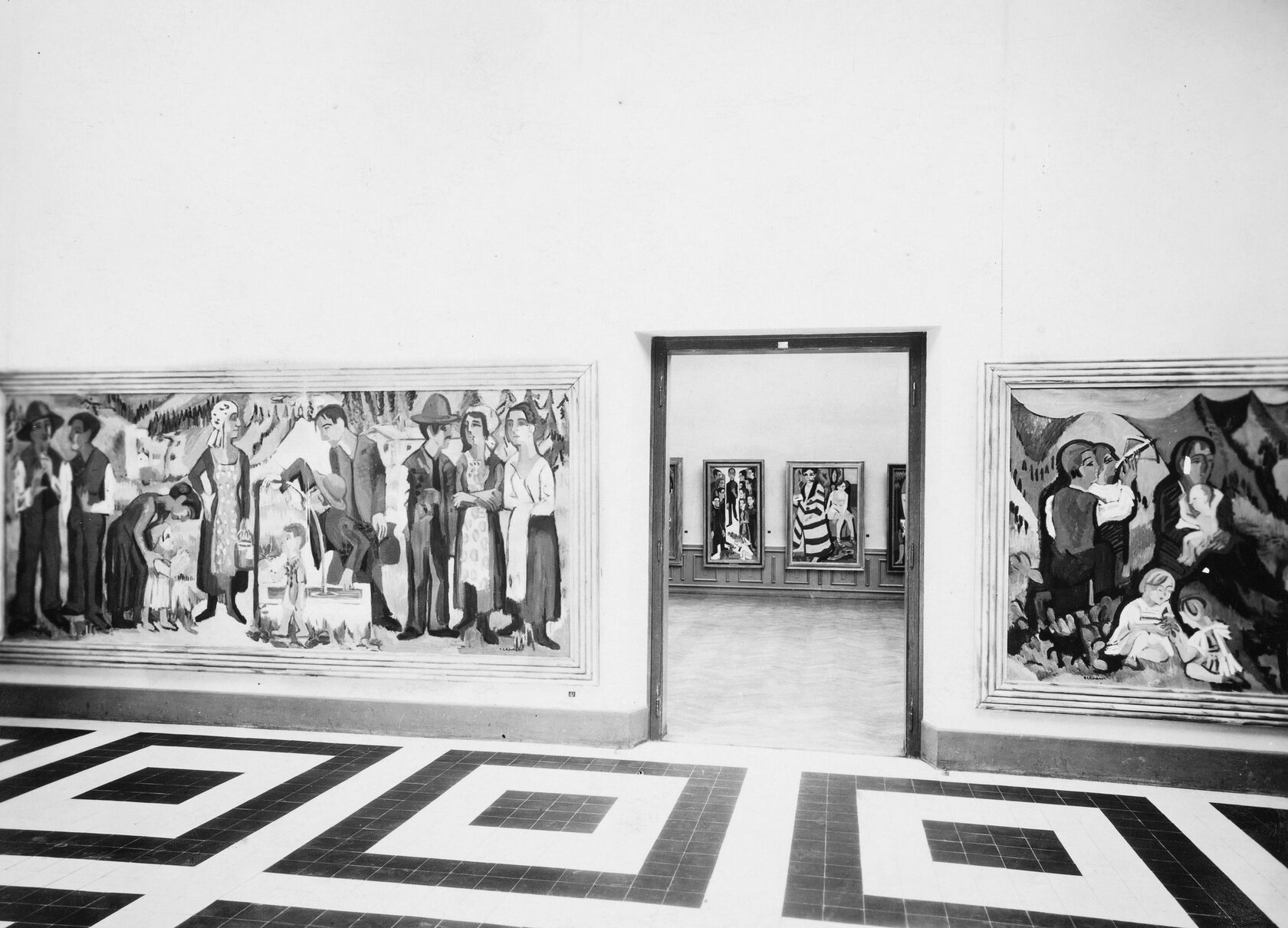
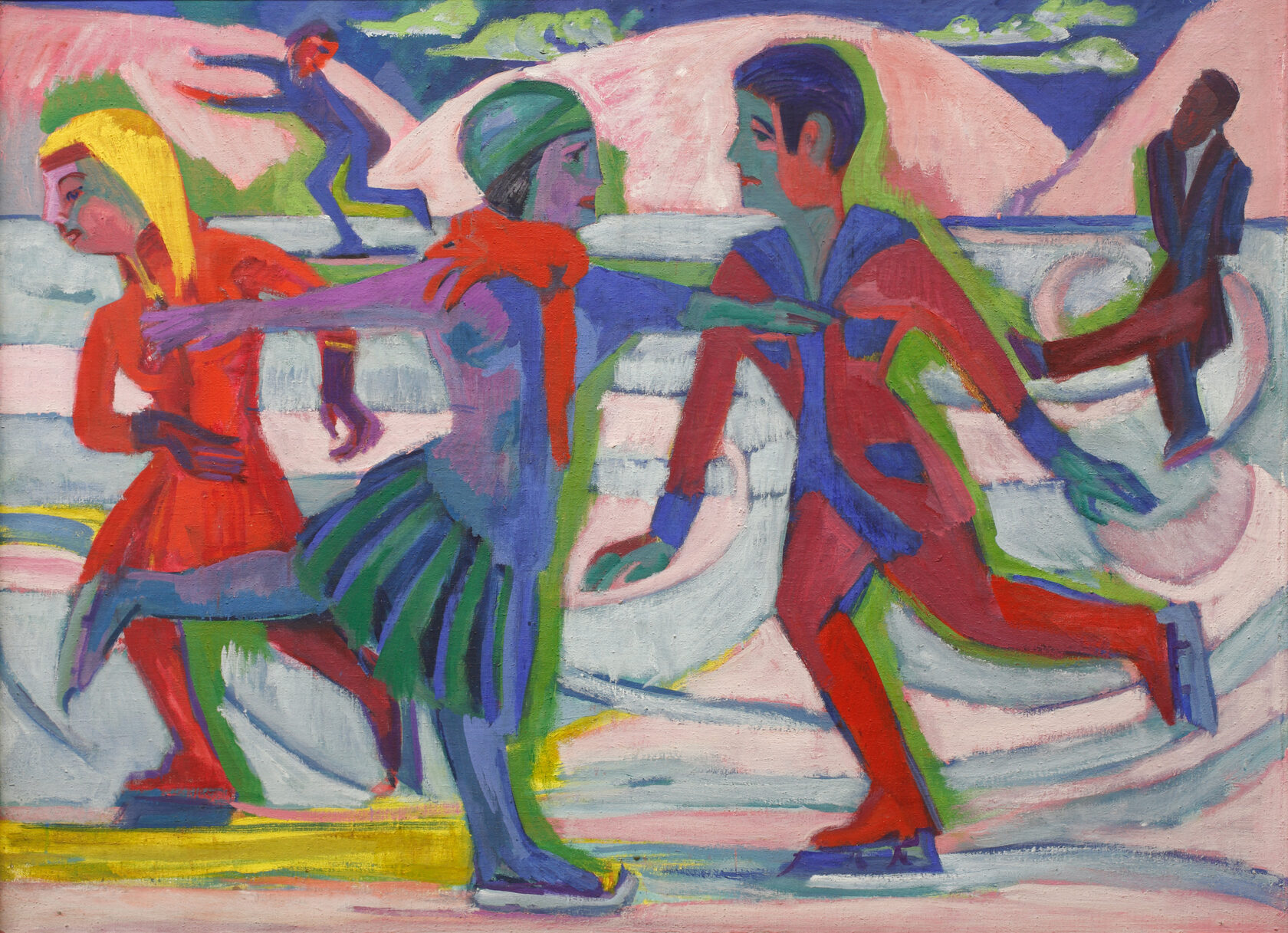
The surprising versatility of Ernst Kirchner’s talent inspired the Kunstmuseum Bern curators to put it in the focus of the display. The new project demonstrates Kirchner’s gifts in various unexpected fields, such as designing exhibitions, making posters, and writing curatorial texts, yet none of it overshadows his artistic genius. In comparison with the historic exhibition, Kirchner & Kirchner pays more attention to the phases of the artist’s career, having included some works that were absent on the 1933 exhibition display. The five thematic rooms represent different periods of Kirchner’s art. For instance, the paintings that made their author famous in the eyes of his contemporaries, such as those of nudes and cabaret scenes as well as of street life, can be found in the first room, while Kirchner’s arguably less significant works are located in the last room. However, the way we see and judge the painter’s art today may vary greatly from his own self-perception in the 1930s.
Therefore, the main value is to entirely contemplate the artist’s path, a rare opportunity provided by Kirchner x Kirchner.
Therefore, the main value is to entirely contemplate the artist’s path, a rare opportunity provided by Kirchner x Kirchner.
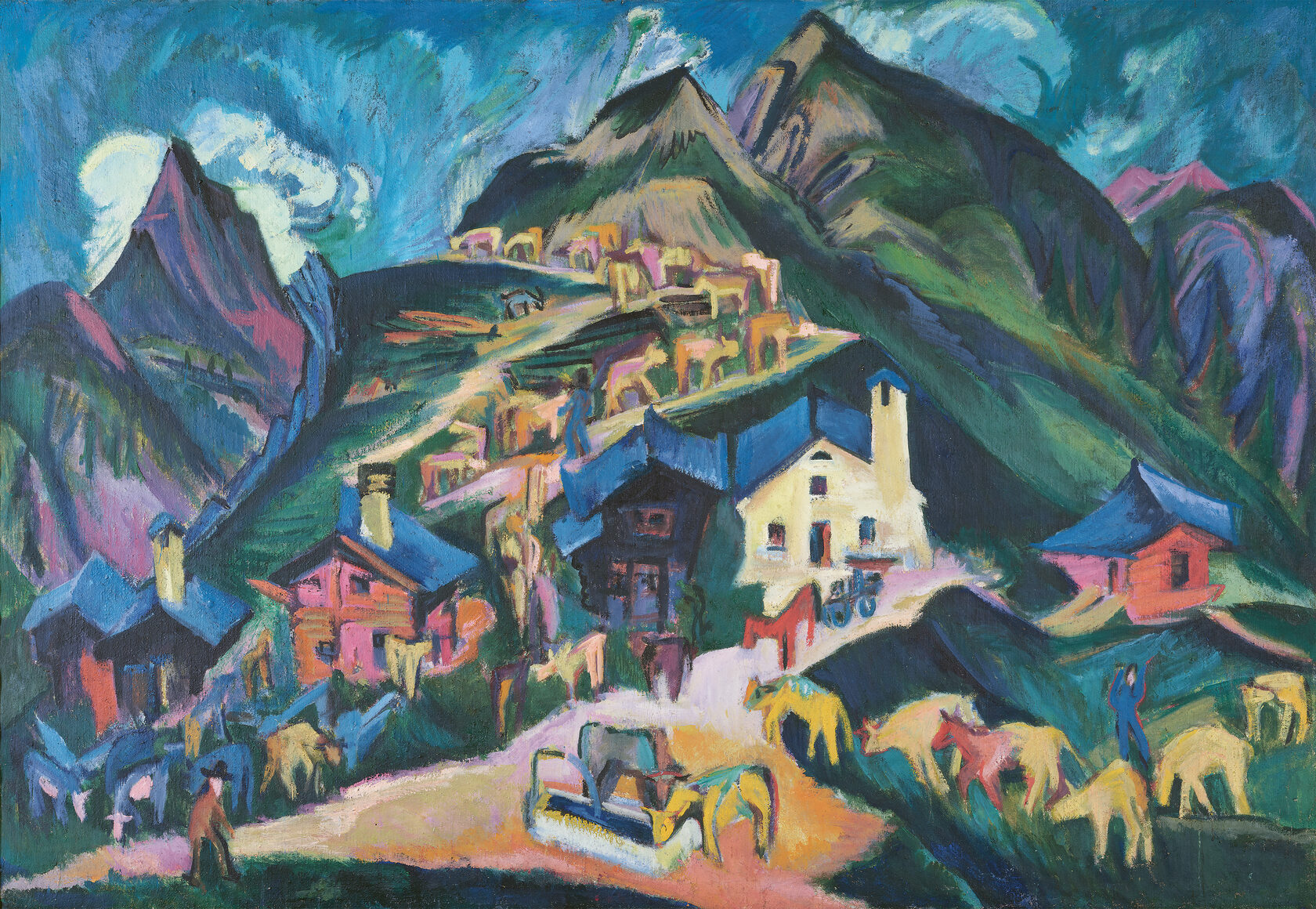
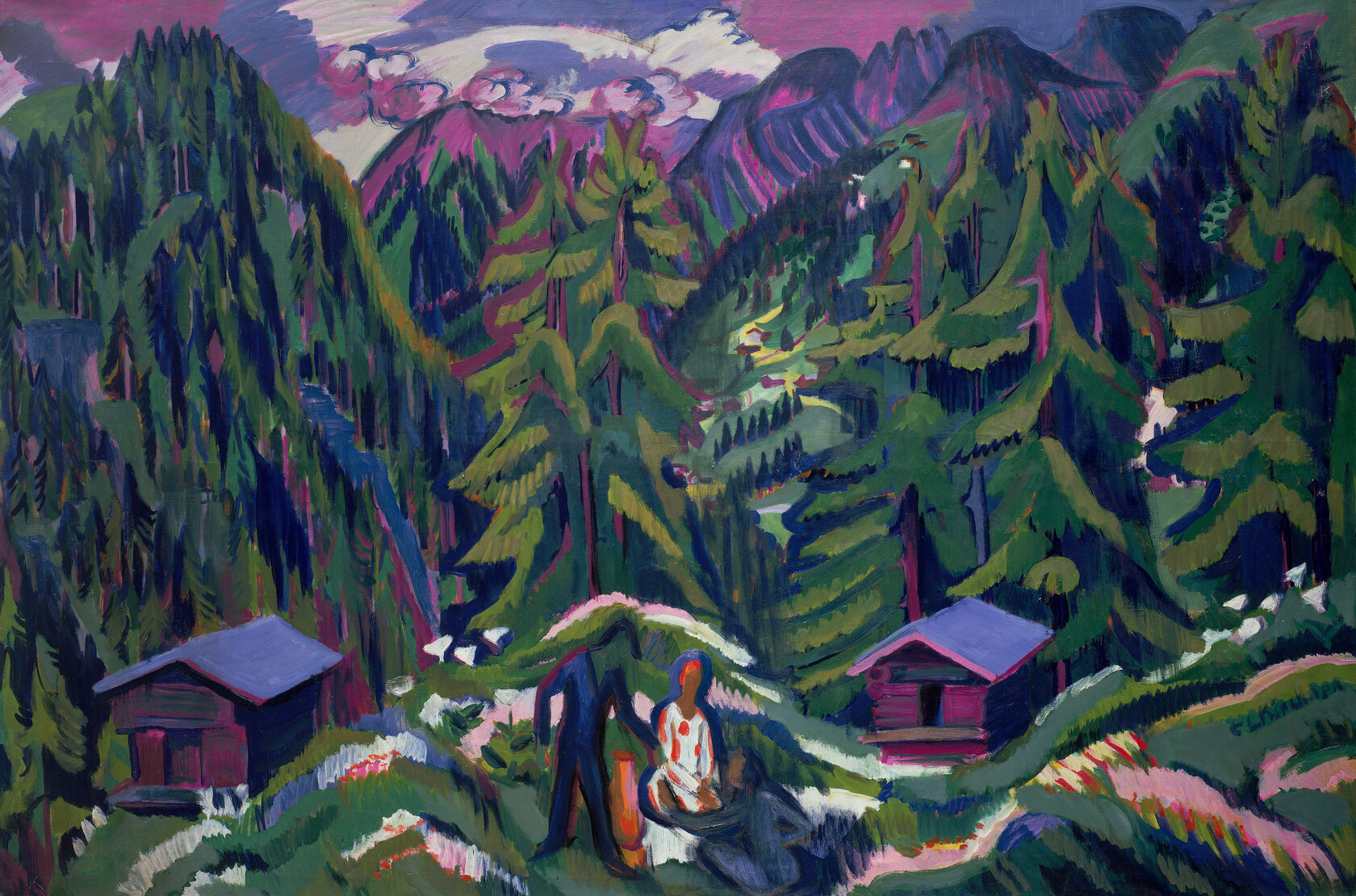
In the spotlight, there is a sudden reunification of the pair of Kirchner’s works, Sunday in the Alps. Scene by the Well (1923–24/ ca. 1929, the Kunstmuseum Bern) and Mountain Peasants on Sunday (1923–24/ 1926, cabinet room of the Federal German Chancellery, Berlin). Having been presented side by side during Kirchner’s 1933 retrospective, the paintings subsequently followed different paths; hence, their reunion almost a century later feels like a meaningful event. Some other highlights from the display include the paintings Color Dance (1932, the Folkwang Museum, Essen), Eaters (1930, Galerie Henze & Ketterer, Wichtrach/Bern), Mountain Landscape from Clavadel (1927, the Museum of Fine Arts in Boston), and Street Dresden (1908–19, the Museum of Modern Art, New York).
The Kirchner x Kirchner exhibition at the Kunstmuseum Bern is curated by Nadine Franci, who heads the museum’s Prints & Drawings department.
Please check the Kunstmuseum Bern website for more detailed information.
The Kirchner x Kirchner exhibition at the Kunstmuseum Bern is curated by Nadine Franci, who heads the museum’s Prints & Drawings department.
Please check the Kunstmuseum Bern website for more detailed information.
Dates: 12 September 2025 — 11 January 2026
Location: Kunstmuseum Bern
Location: Kunstmuseum Bern
Cover photo: Ernst Ludwig Kirchner. Sonntag der Bergbauern [Mountain Peasants on Sunday], 1923–24/26. Oil on canvas, 170 x 400 cm. Federal Republic of Germany