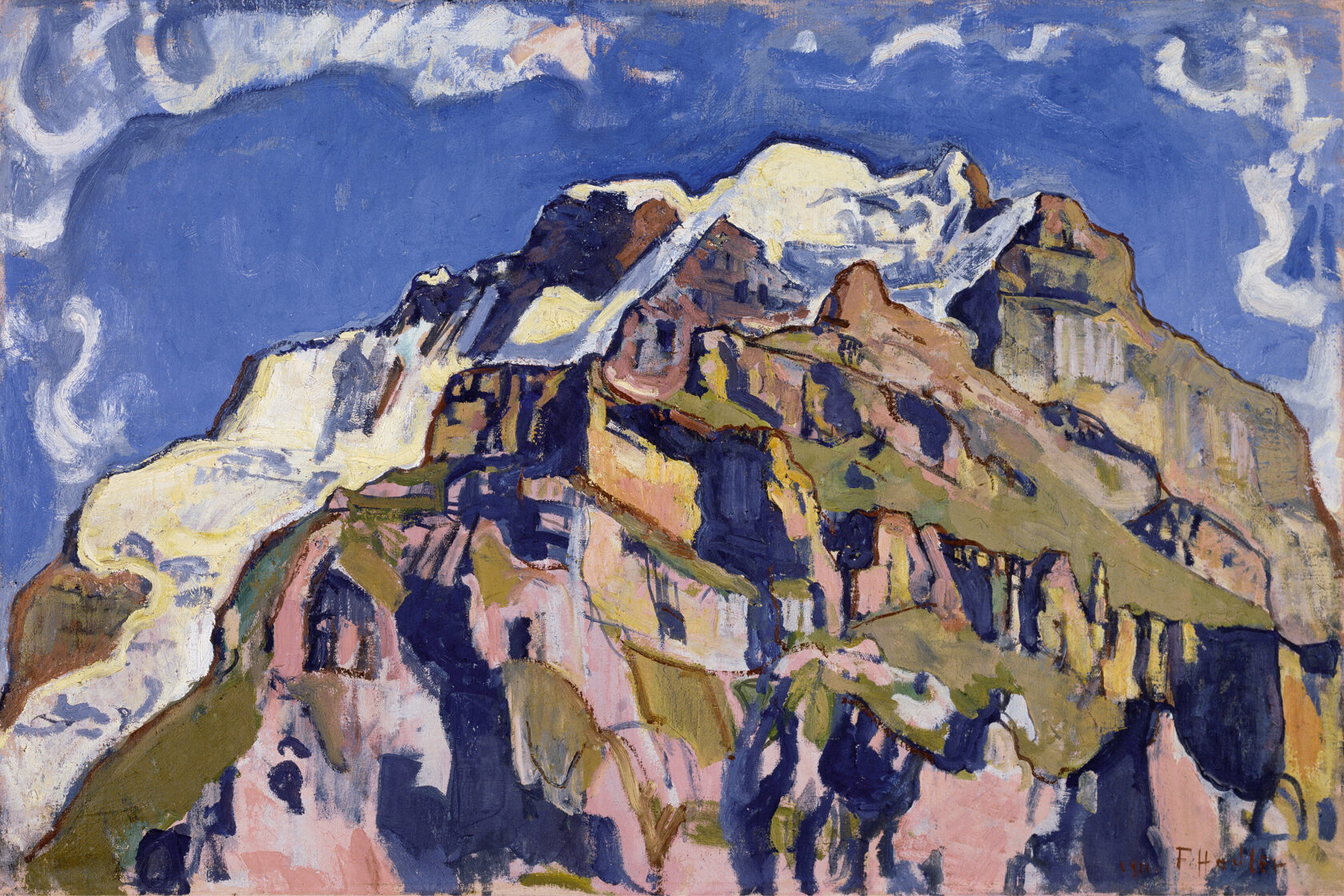
Switzerland often conjures fully formed images: snow‑capped peaks, chalets nestled in green valleys, and alpine serenity. But what lies beneath this polished surface? The Kunstmuseum Bern’s Panorama Switzerland. From Caspar Wolf to Ferdinand Hodlerpulls pulls back the curtain on three centuries of Swiss art, revealing a complex identity that is shaped by contradiction, introspection, and enduring landscapes.
What does it mean to paint Switzerland? For Ernst Ludwig Kirchner, the German Expressionist who found refuge and inspiration in Davos in 1917, the answer lay in explosive colour and distorted forms that echoed an older tradition. Kirchner saw himself as part of a tradition that spread from minor Swiss masters to Ferdinand Hodler. The Kunstmuseum Bern now brings this lineage into sharp focus.
What does it mean to paint Switzerland? For Ernst Ludwig Kirchner, the German Expressionist who found refuge and inspiration in Davos in 1917, the answer lay in explosive colour and distorted forms that echoed an older tradition. Kirchner saw himself as part of a tradition that spread from minor Swiss masters to Ferdinand Hodler. The Kunstmuseum Bern now brings this lineage into sharp focus.
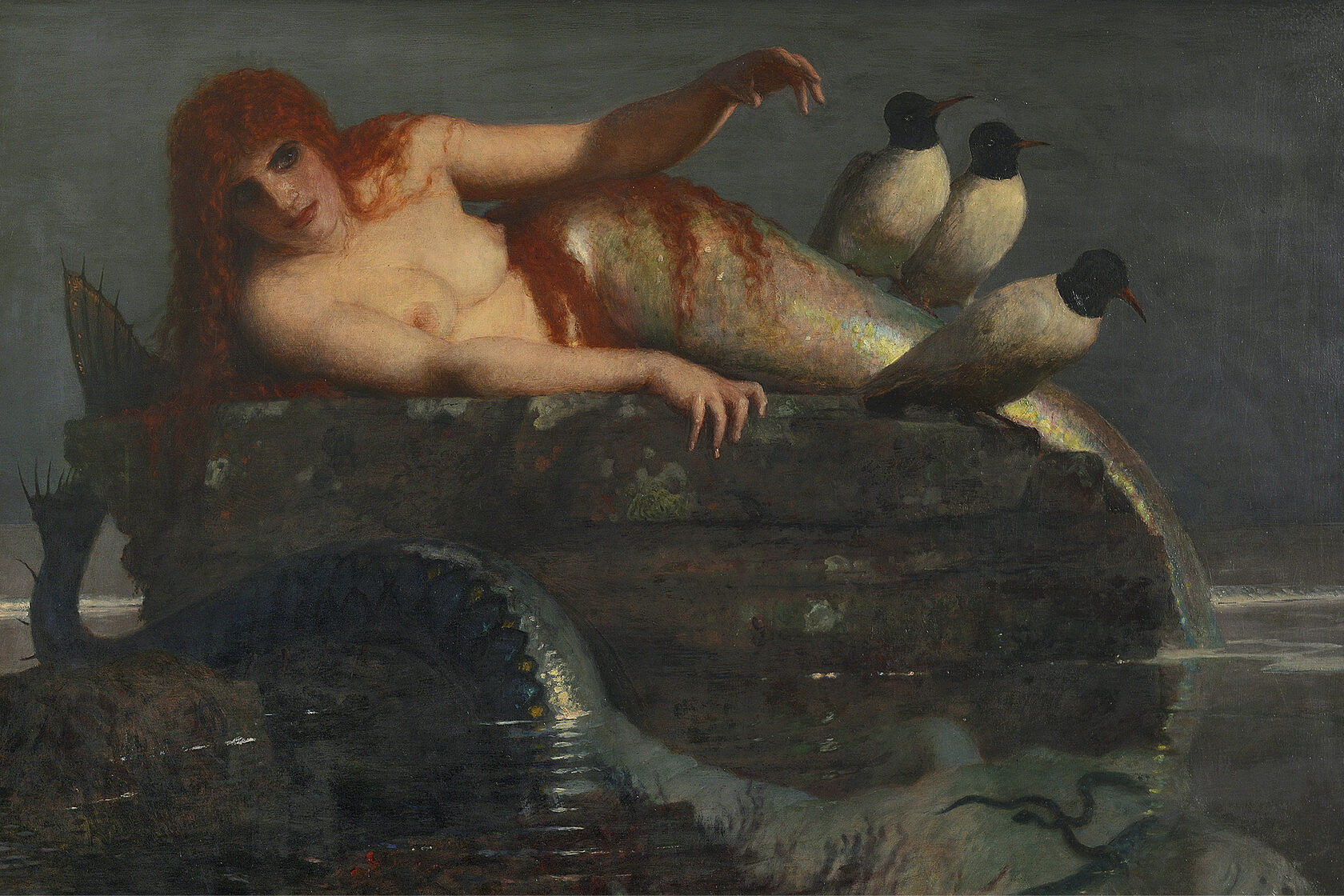
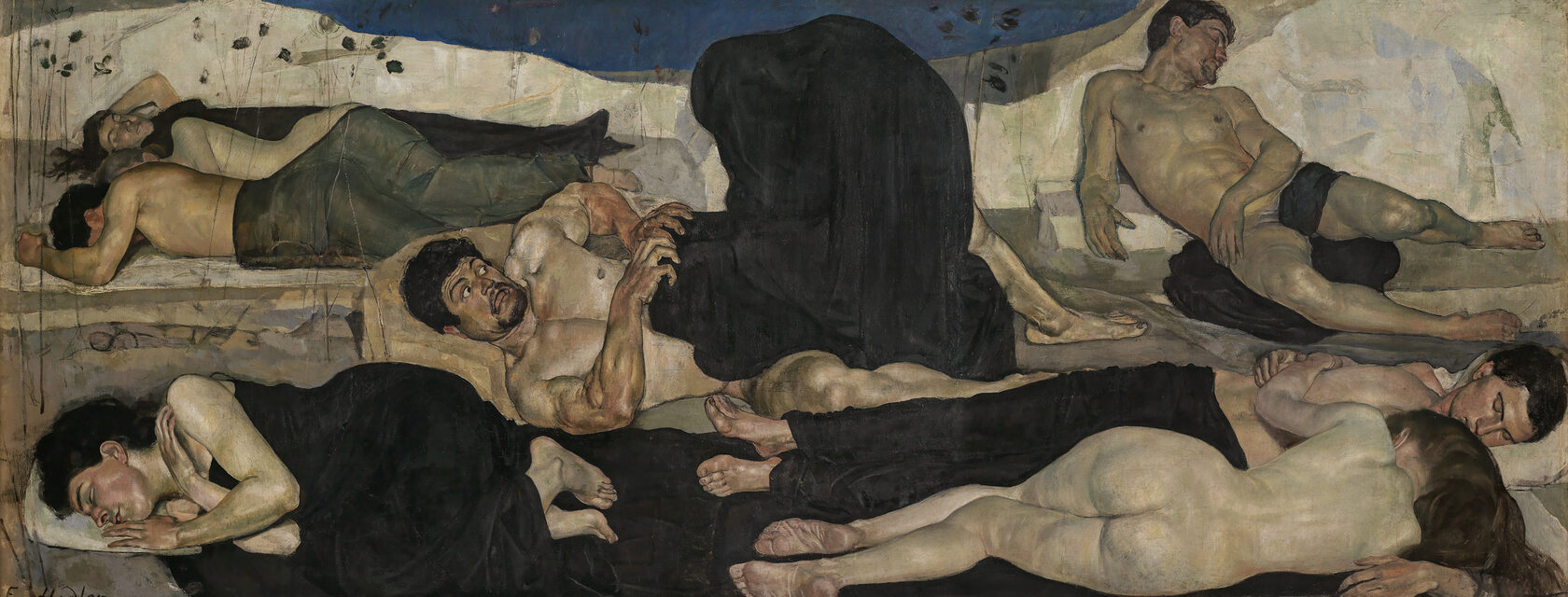
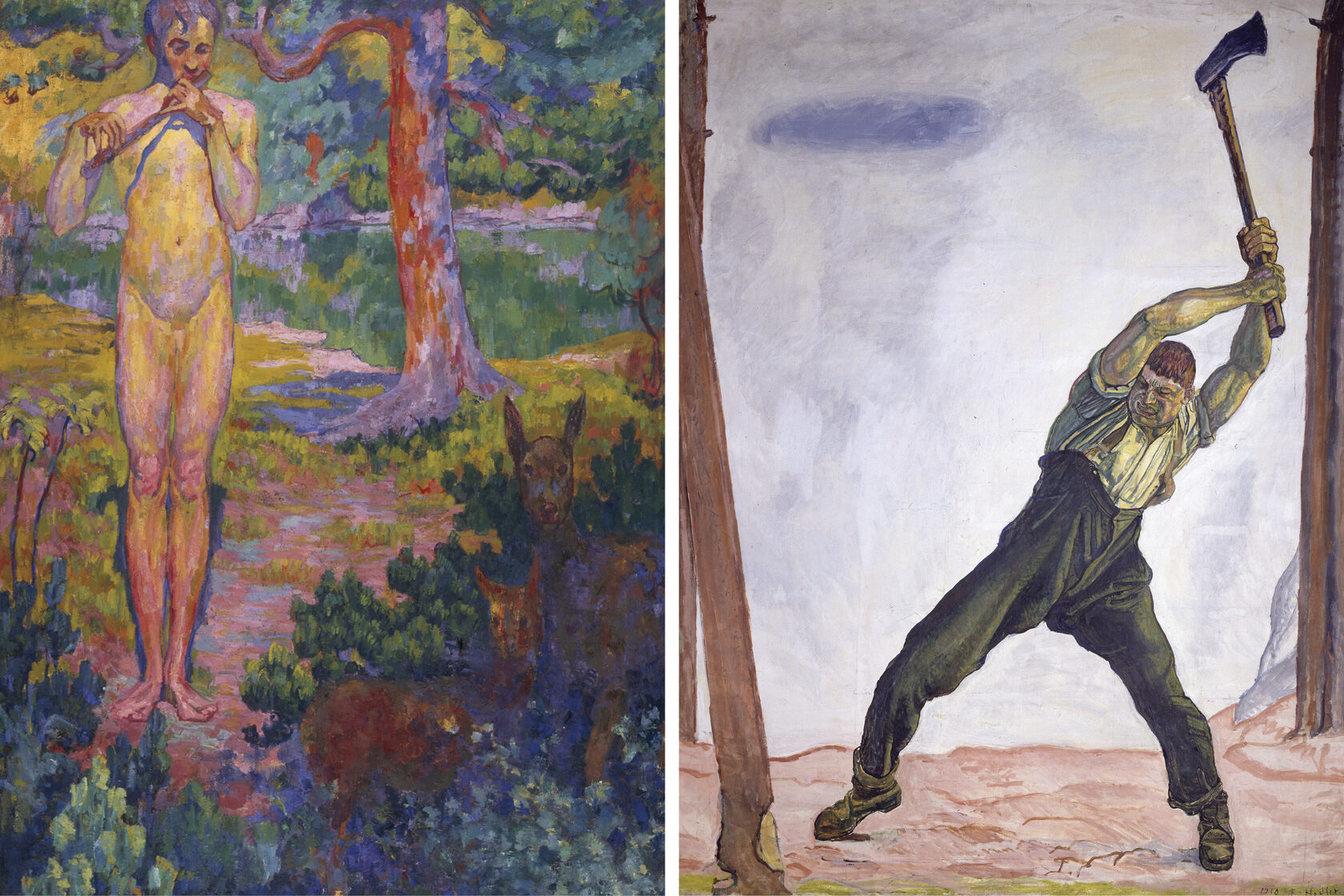
The show opens with Symbolism, a movement that sought to pierce beyond surface reality. In works like Arnold Böcklin’s Meeresstille [Calm Sea], (1887), mythology becomes a lens for contemplating the sublime, while Ferdinand Hodler’s Die Nacht [The Night], (1889–1890) transforms fear of death into a timeless allegory. These artists rejected cold rationalism, turning instead to dreams, the mysterious, and the esoteric. Giovanni Giacometti’s Das Erwachen [The Awakening] (1919/1920), with its dance‑like figures, captures a unity with nature. This piece is a poignant response to the industrialisation reshaping Swiss life.
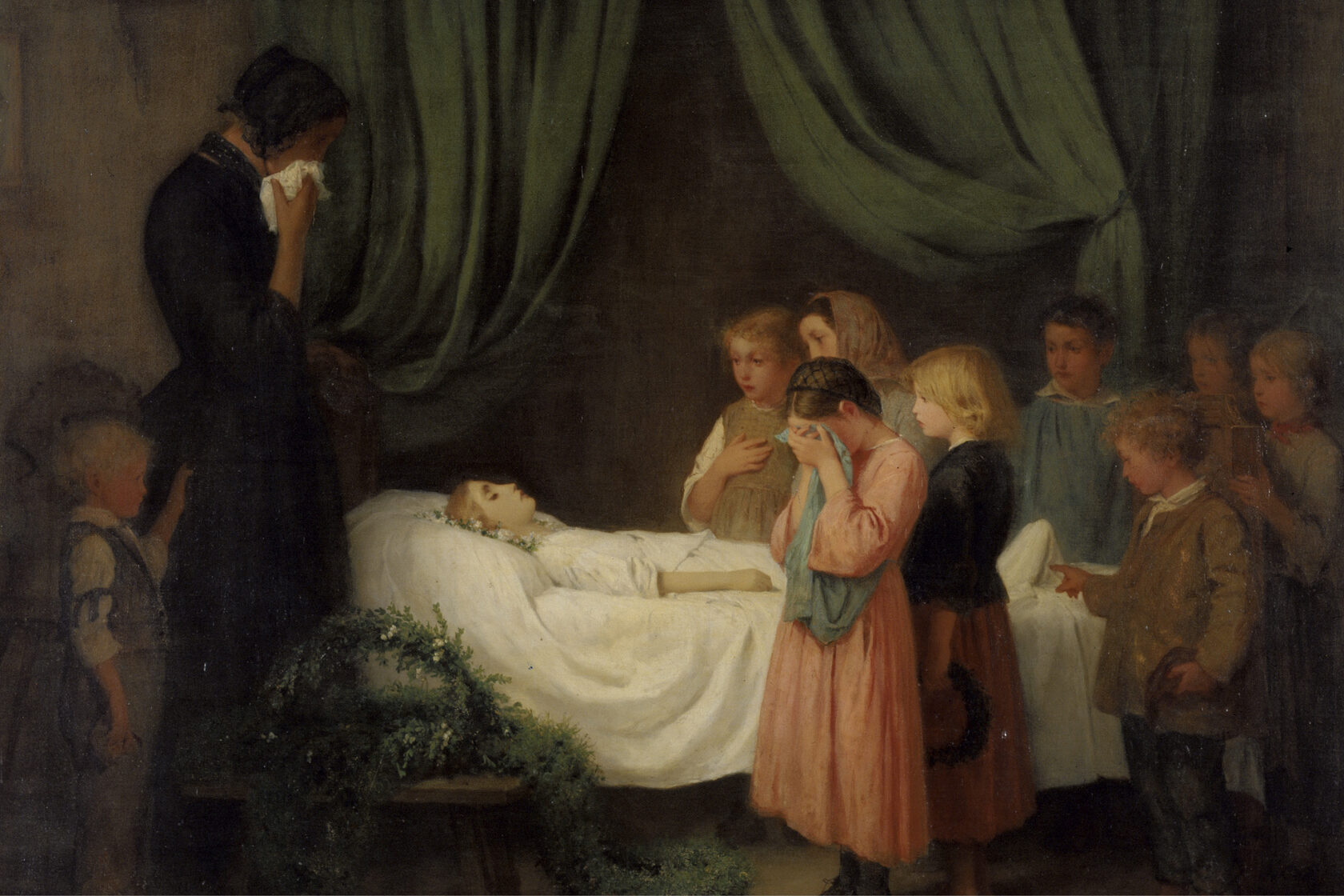
Yet Swiss art was never confined to the ethereal. The second half of the 19th century saw realism come to terms with mortality in unexpectedly tender ways. Albert Anker’s Die kleine Freundin [The Little Girlfriend] (1862) portrays death as a quiet, everyday presence. Meanwhile, Annie Stebler‑Hopf’s Am Seziertisch [At the Dissection Table] (ca. 1889) reflects the era’s fascination with medicine, documenting both scientific progress and human vulnerability.
Equally grounded are the genre scenes celebrating rural life. Farmers and workers appear not as stereotypes but as embodiments of a national ethos. They are diligent, close to nature, and rooted in tradition. Hodler’s Der Holzfäller [The Woodcutter] (1910) elevates manual labour to an icon of Swiss identity, while other works capture moments of rest and celebration, reminding us that even in hardship, joy finds a way.
Equally grounded are the genre scenes celebrating rural life. Farmers and workers appear not as stereotypes but as embodiments of a national ethos. They are diligent, close to nature, and rooted in tradition. Hodler’s Der Holzfäller [The Woodcutter] (1910) elevates manual labour to an icon of Swiss identity, while other works capture moments of rest and celebration, reminding us that even in hardship, joy finds a way.
No theme, however, resonates more deeply than the Alps. From Caspar Wolf’s pioneering 18th‑century landscapes to the Romantic dramas of Alexandre Calame, where storms rage over peaks, the mountains have always been more than scenery. They are characters in the Swiss story: a space of contemplation and a symbol of resilience. Hodler stands at the crossroads, his bold compositions bridging Romantic grandeur and 20th‑century innovation.
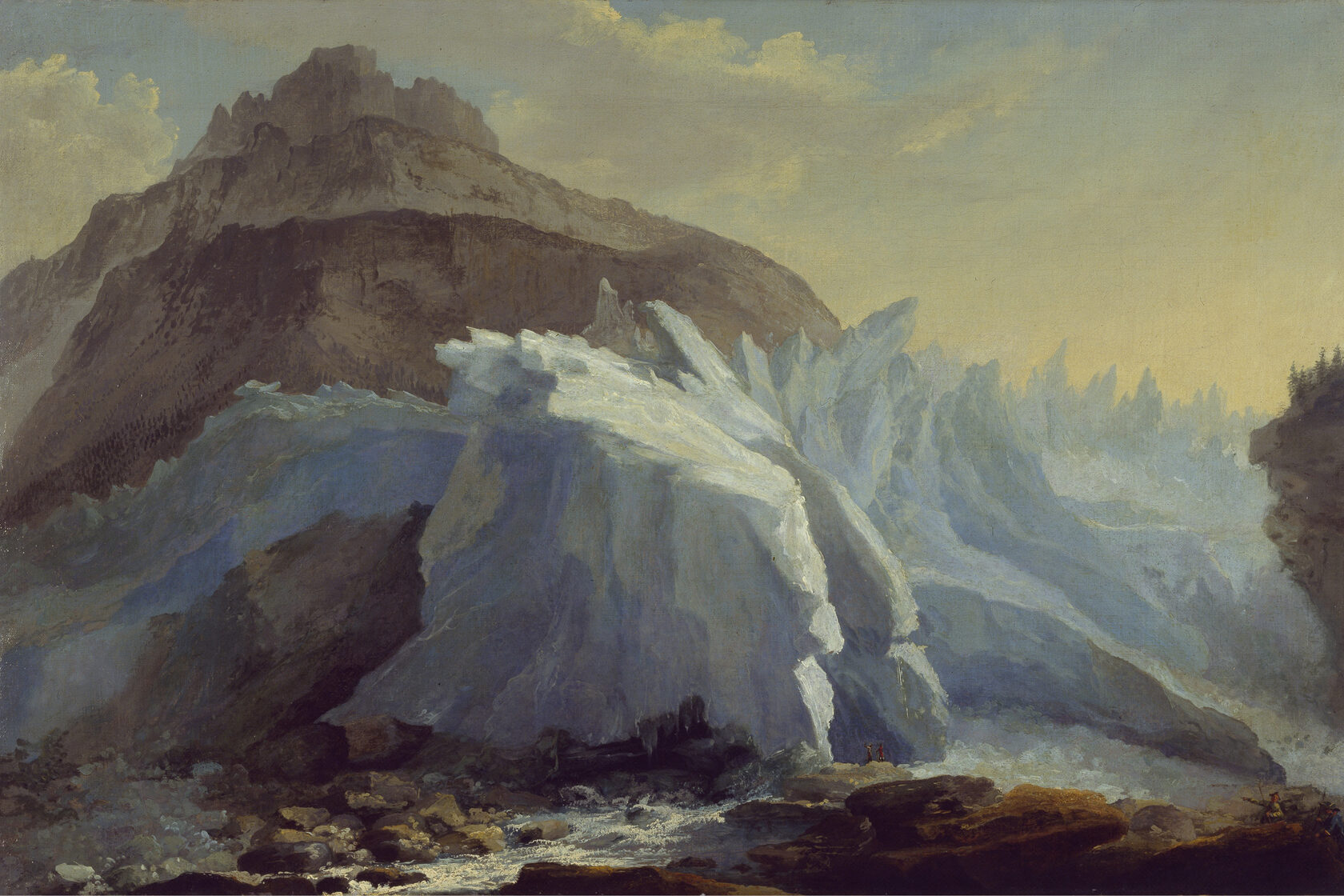
Panorama Switzerland reveals a nation undergoing transformation. Here, the mystical and the everyday coexist. The terrifying vastness of the Alps meets the intimate warmth of a village feast. Through painters from Böcklin to Müller, and from Anker to Amiet, the Kunstmuseum Bern invites visitors to see Switzerland not as a postcard, but as a living, breathing dialogue between land, memory, and the human spirit.
Dates: 15 August 2025 — 5 July 2026
Place: Kunstmuseum Bern, Hodlerstrasse 8–12, 2011 Bern
Place: Kunstmuseum Bern, Hodlerstrasse 8–12, 2011 Bern
Contributor: Maria Efimova
Cover photo: Ferdinand Hodler. The Jungfrau Massif from Mürren [Jungfrau from Mürren]. 1911 © Deposit of the Swiss Confederation